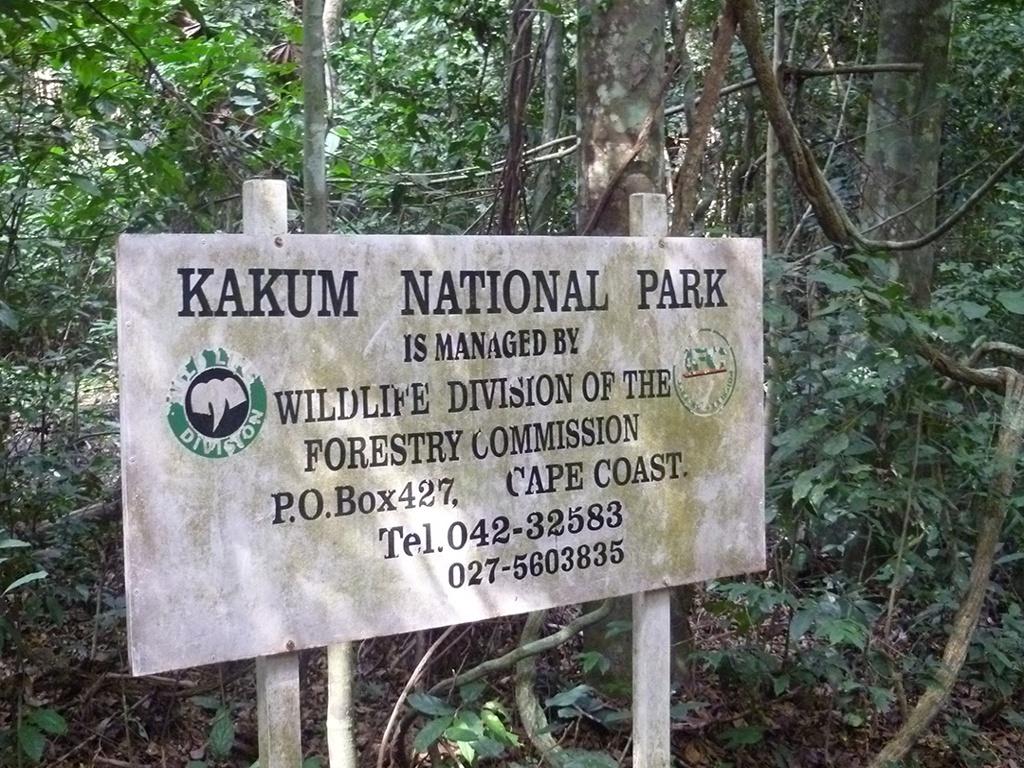


Kakum National Park has a rich conservation and cultural history that dates back nearly a century.
## 1. Early forest reserve (1931)
The area that is now Kakum was first declared a **forest reserve in 1931**, mainly to protect the headwaters of the Kakum River and surrounding tropical rainforest. During this period, it was managed by the Forestry Division and was not yet focused on tourism or wildlife conservation.
However, the reserve was heavily affected by **logging activities**, especially for valuable timber species like mahogany. This continued for decades, gradually reducing forest quality. ([Wikipedia][1])
## 2. Logging era and decline of forest (1930s–1980s)
From the 1930s through the 1980s:
* Commercial logging became widespread
* Wildlife habitats were disturbed
* Forest protection was weak compared to exploitation
By the late 1980s, concern grew about the long-term survival of the forest ecosystem.
## 3. Shift to wildlife protection (1989)
In **1989**, management of the reserve was transferred from the Forestry Division to the **Wildlife Department of Ghana**, marking a major shift from timber extraction to conservation-focused management. ([Mori Atlas][2])
## 4. Creation of Kakum National Park (1992)
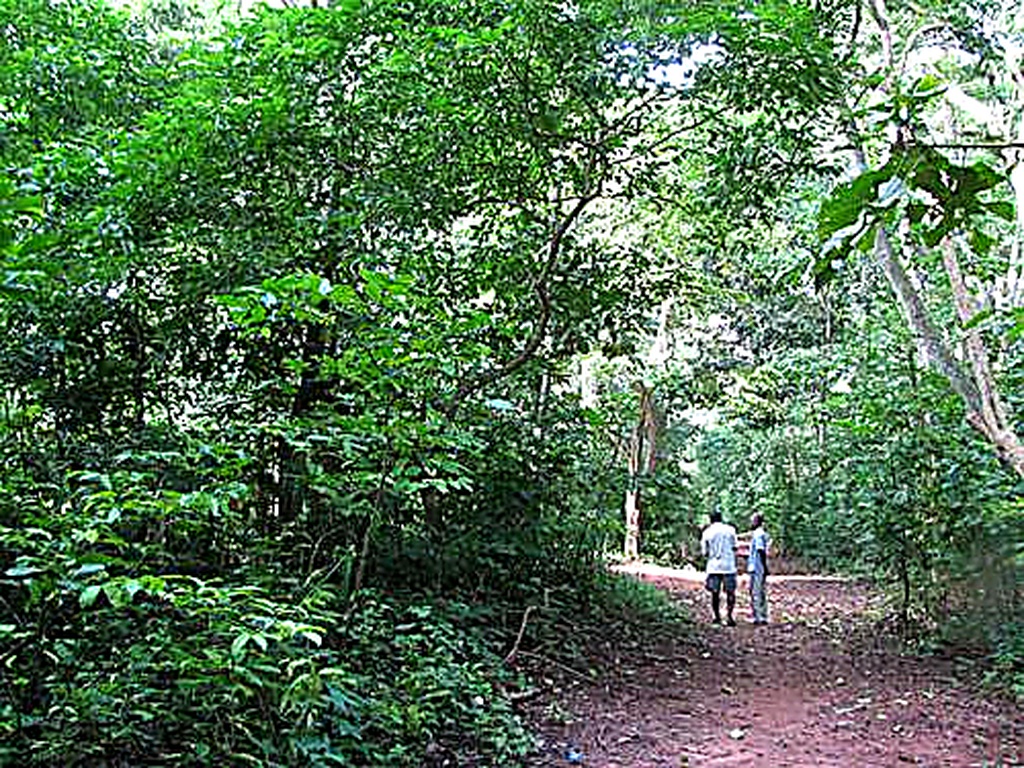
In **1992**, the area was officially **gazetted as a national park**. This was part of a broader conservation initiative to protect Ghana’s remaining Upper Guinean rainforest.
The new park aimed to:
* Preserve biodiversity
* Protect endangered species
* Promote eco-tourism instead of logging
It became one of Ghana’s most important protected rainforest areas.
## 5. Development of eco-tourism & canopy walkway (1990s)
In the early 1990s, a feasibility study supported by the **United Nations Development Programme (UNDP)** helped design Kakum as an eco-tourism destination.
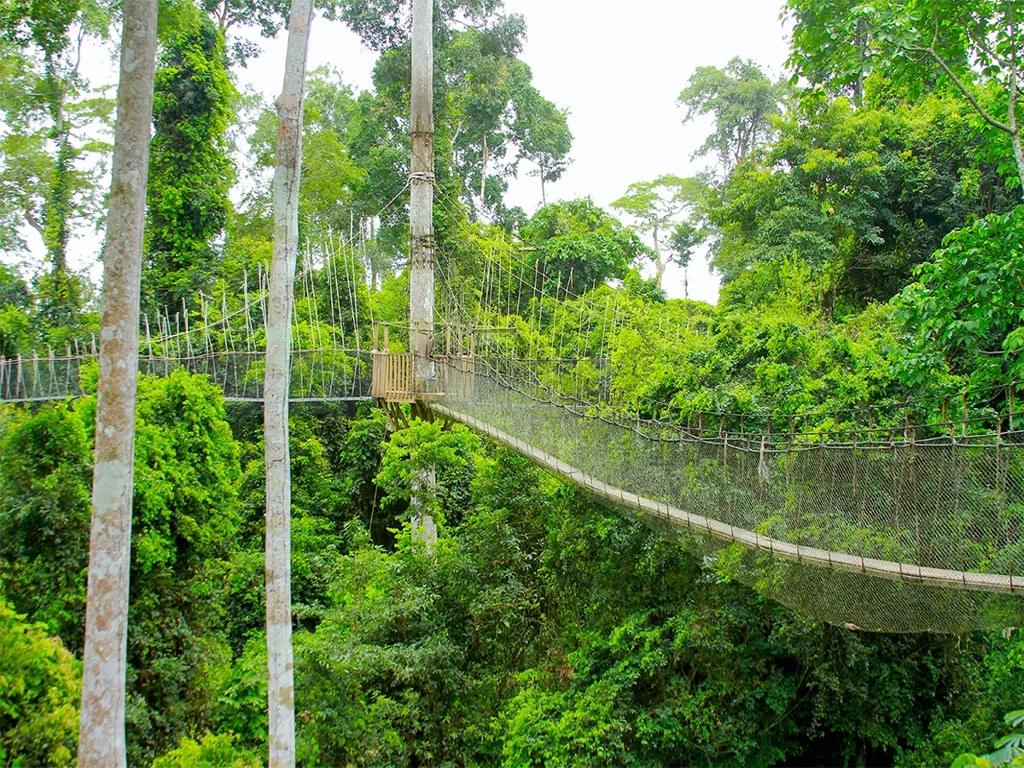
A major milestone was the creation of the famous **canopy walkway**, completed in the mid-1990s:
* Designed with international and Ghanaian collaboration
* Built to allow visitors to experience the rainforest canopy safely
* Became one of the first canopy walkways in Africa
([UNESCO World Heritage Centre][3])
## 6. Modern importance
Today, Kakum is known for:
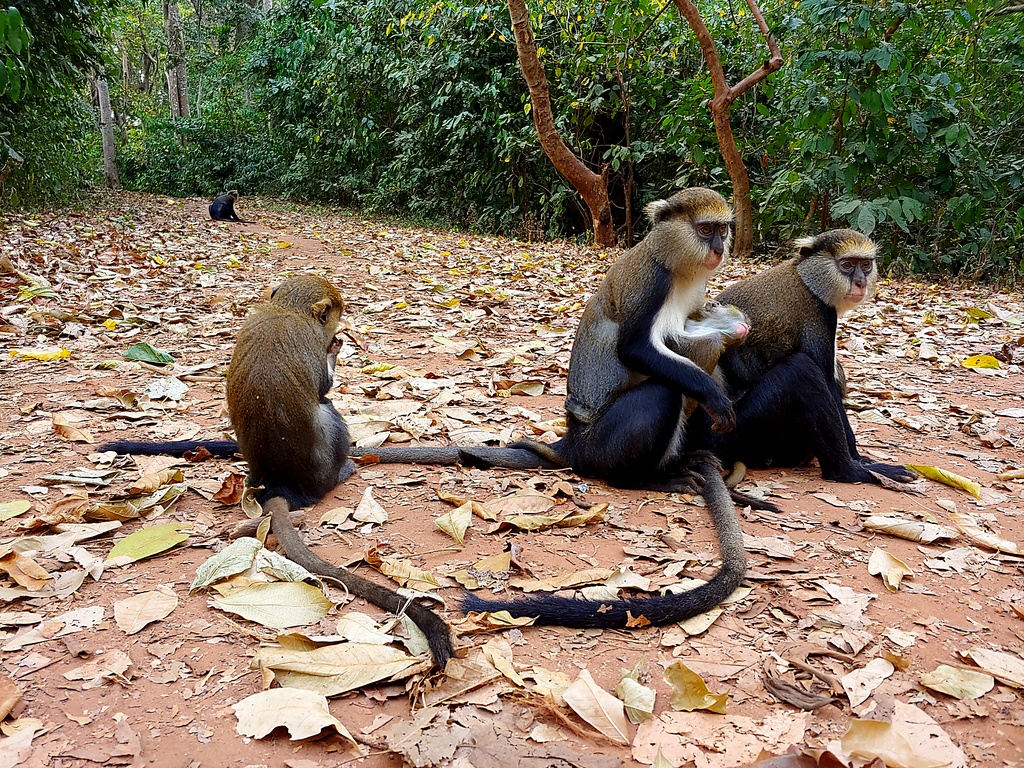
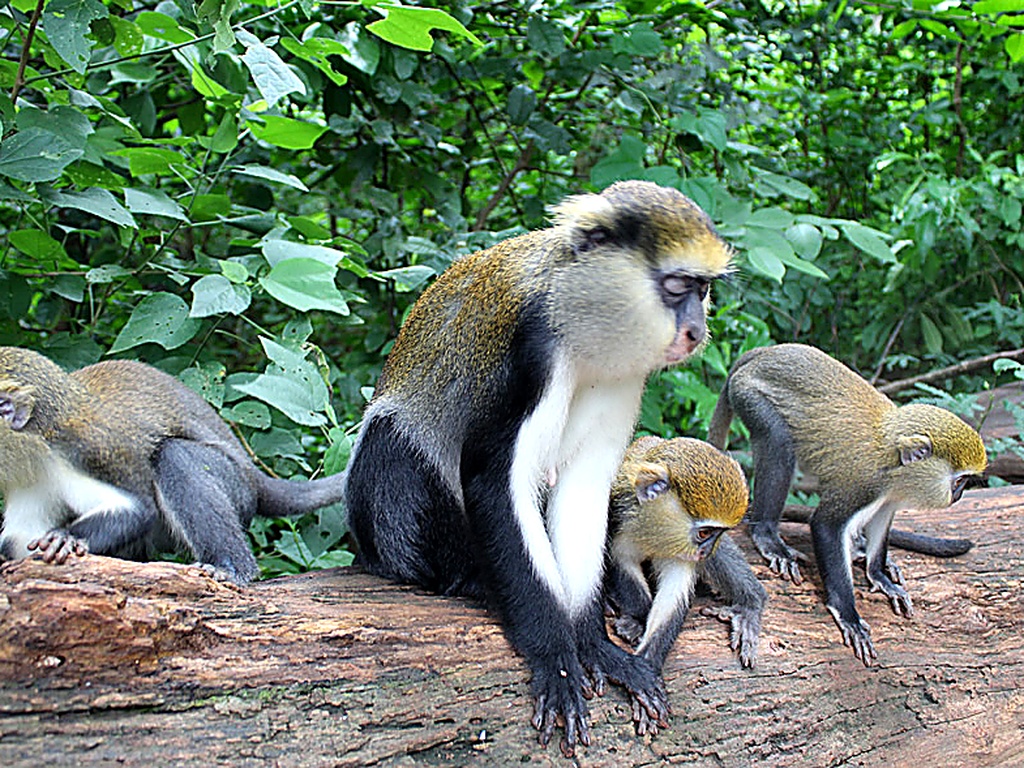
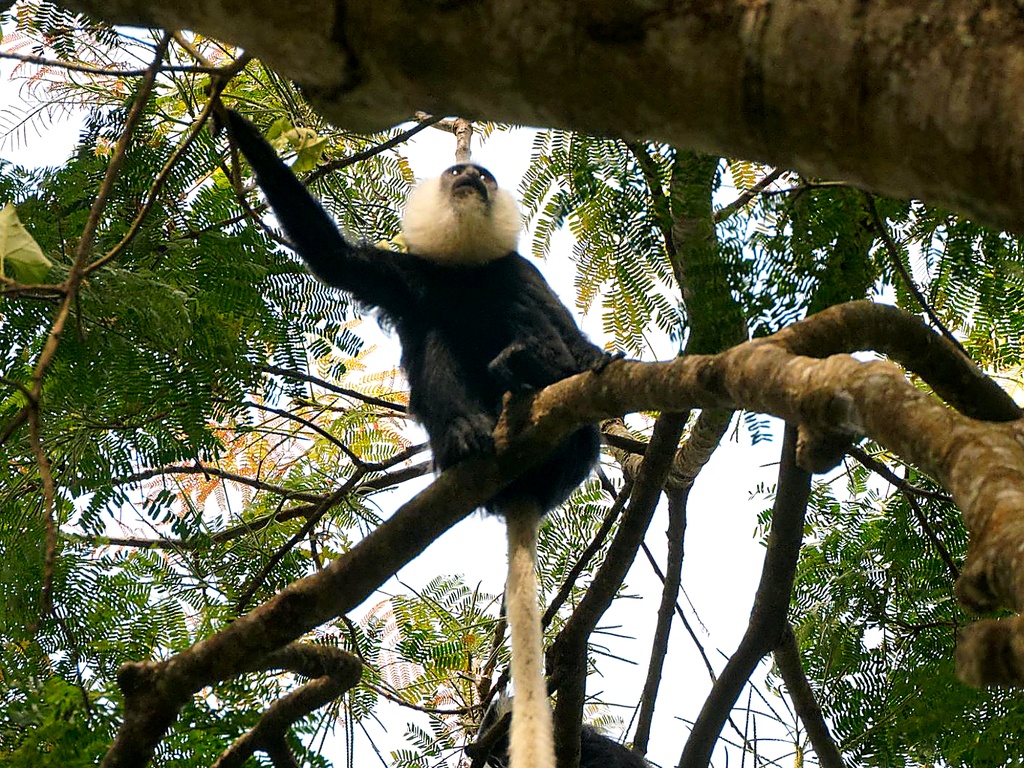
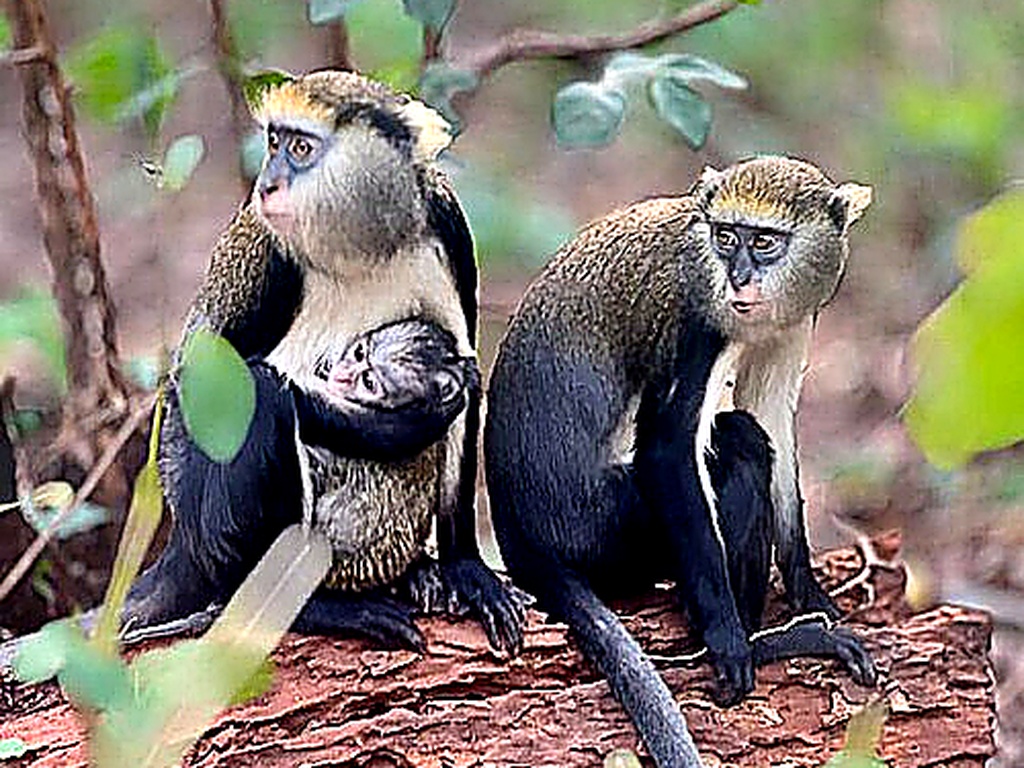
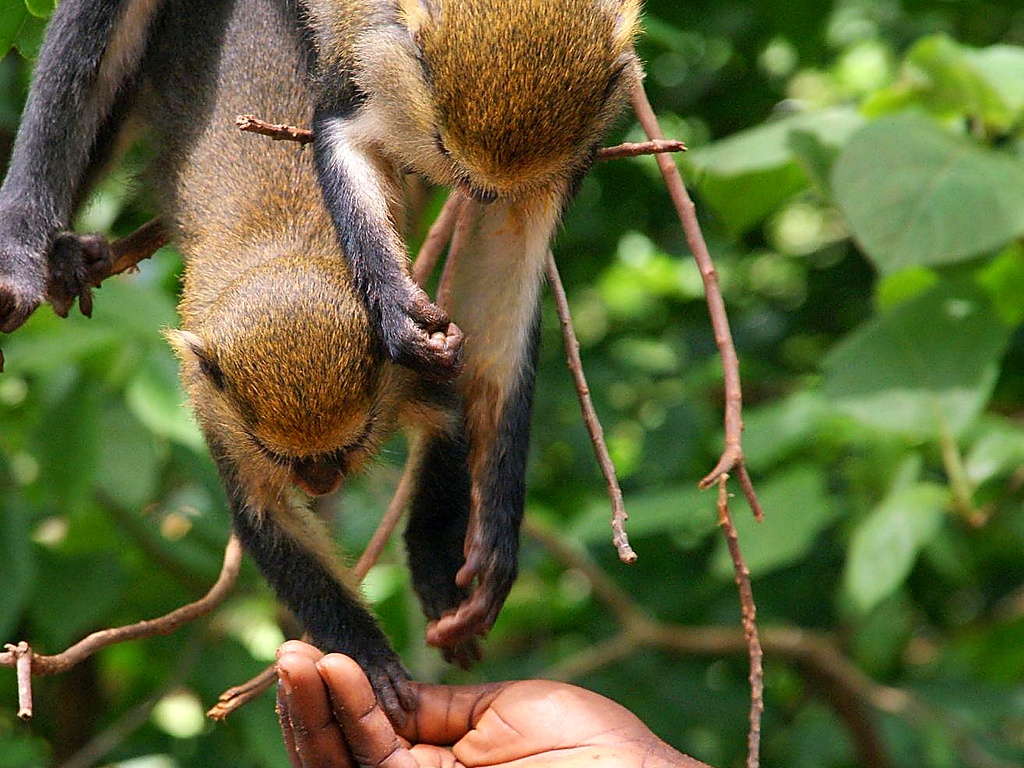
* Conservation of rare wildlife (elephants, monkeys, duikers)
* Bird and butterfly diversity
* Eco-tourism and education
* Its iconic canopy walkway attraction
It is now one of Ghana’s most visited national parks and a symbol of successful forest conservation and sustainable tourism.