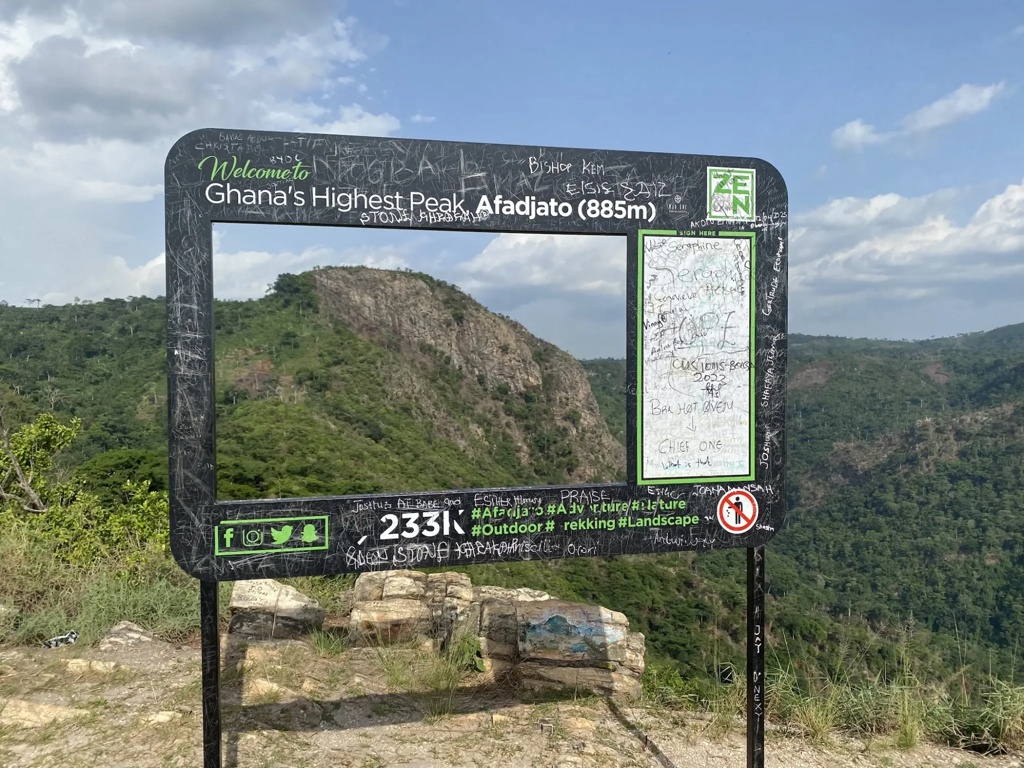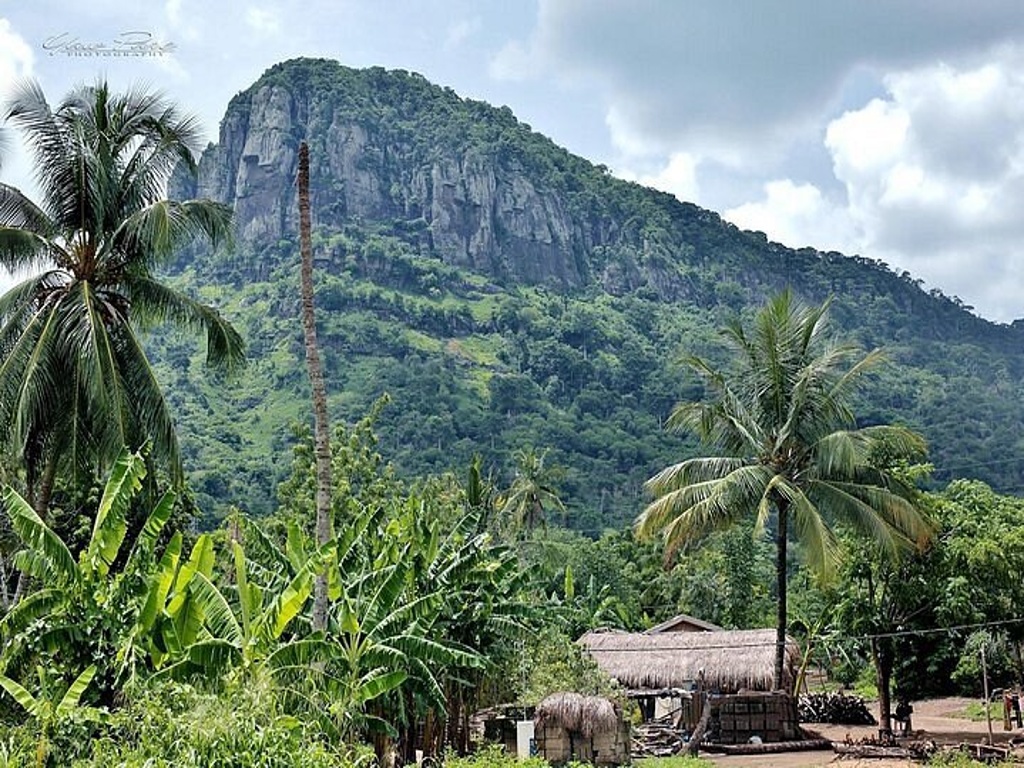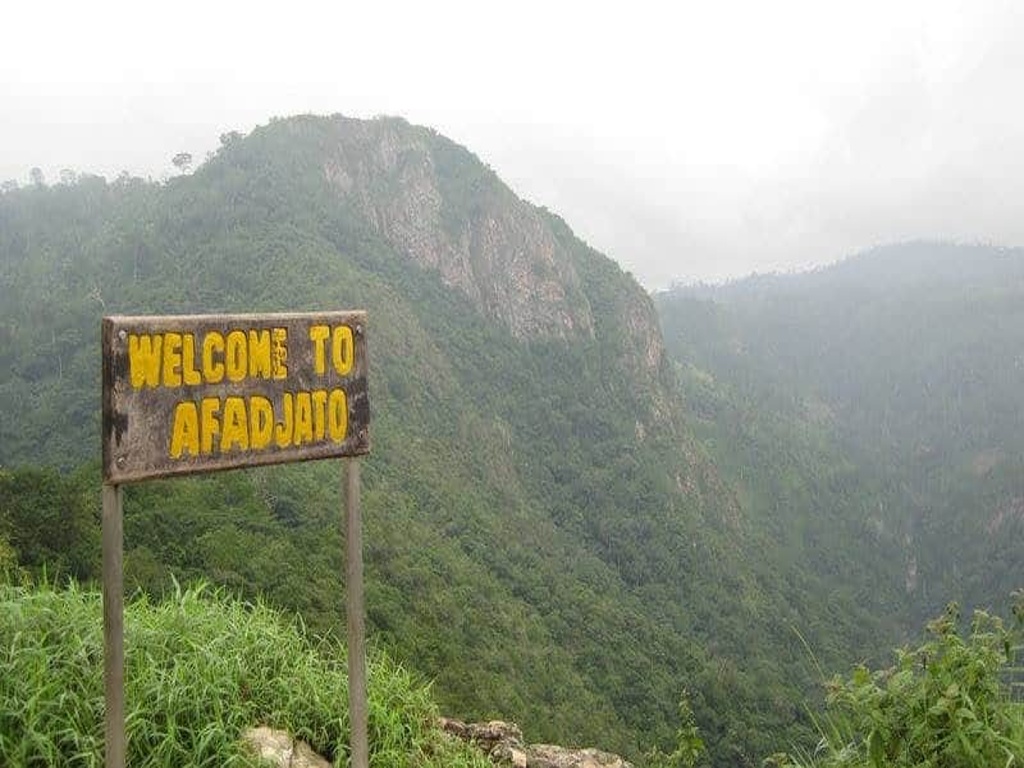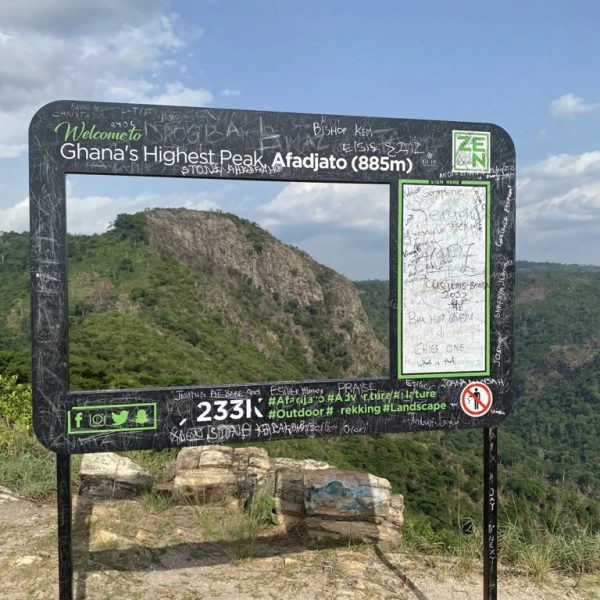
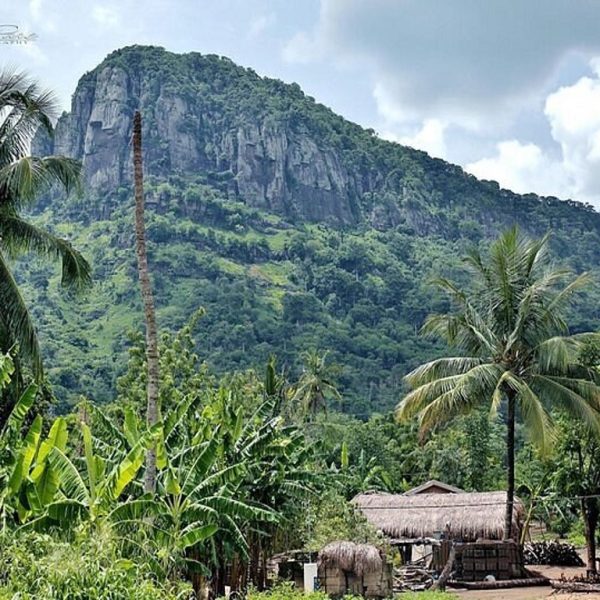
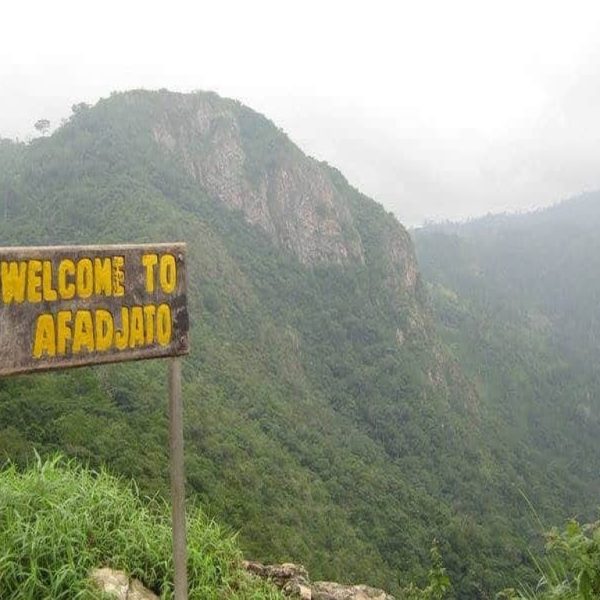
Mountain Afadja (Afadjato)
## 1. Ancient / Natural Formation (Geological History)
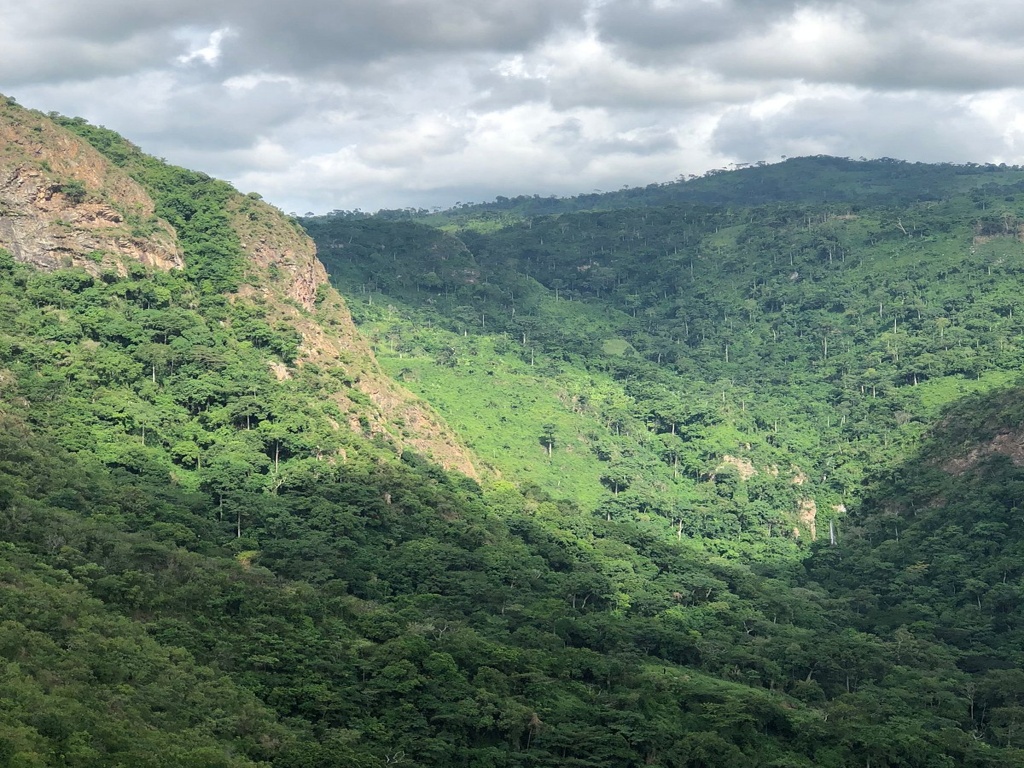
* Mount Afadja was formed **millions of years ago**
* It is part of the **Agumatsa mountain range**
* Created through **tectonic uplift + long-term erosion**
* Softer rocks wore away, leaving the **high ridge and peak we see today**
## 2. Early Human Settlement (Local History)
* The area has long been home to the **Ewe people**
* Early communities settled around the fertile forest slopes
* The mountain became part of daily life for:
* farming
* hunting
* spiritual practices
## 3. Cultural & Spiritual Beliefs
* Locals gave it the name **“Afadjato”**
* It was traditionally seen as:
* a **sacred natural landmark**
* a place linked to **spirits and protection**
* Oral stories describe it as a powerful presence in the land
## 4. Colonial Mapping & Recognition
* During colonial times, the mountain was documented in **geographical surveys of the Gold Coast**
* It gained recognition as one of the highest points in West Africa’s coastal region
* Later confirmed as **Ghana’s highest peak**
## 5. Modern Tourism Development (Post-Independence)
* After Ghana’s independence (1957), the site gained attention for tourism
* Developed as part of **eco-tourism in the Volta Region**
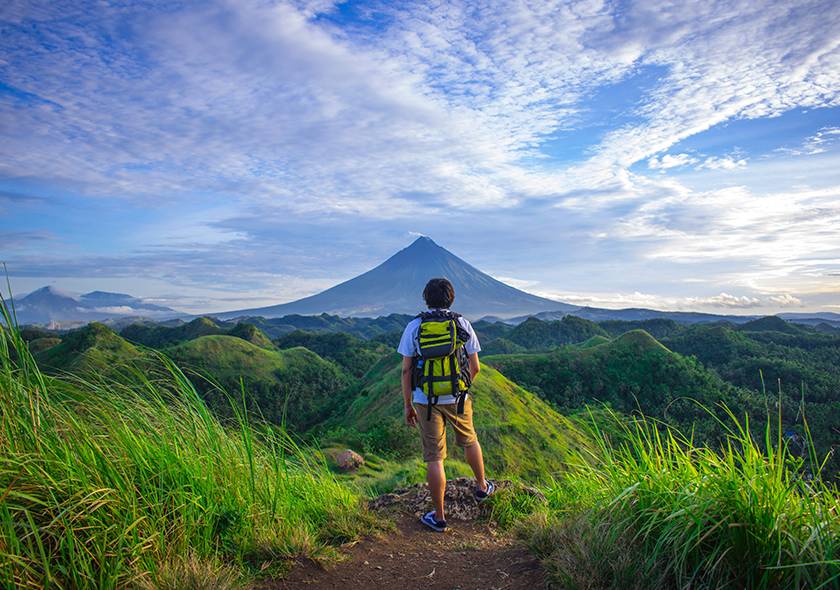
* Became popular for hiking and nature visits
* Often combined with nearby attractions like:
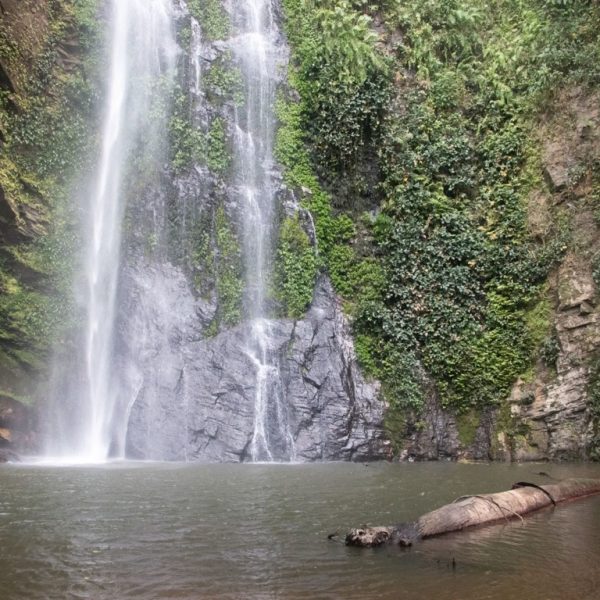
* Wli Waterfalls (highest waterfall in West Africa)
## 6. Today
* One of Ghana’s top hiking destinations
* Supports local tourism income (guides, community services)
* Symbol of **Volta Region natural heritage**