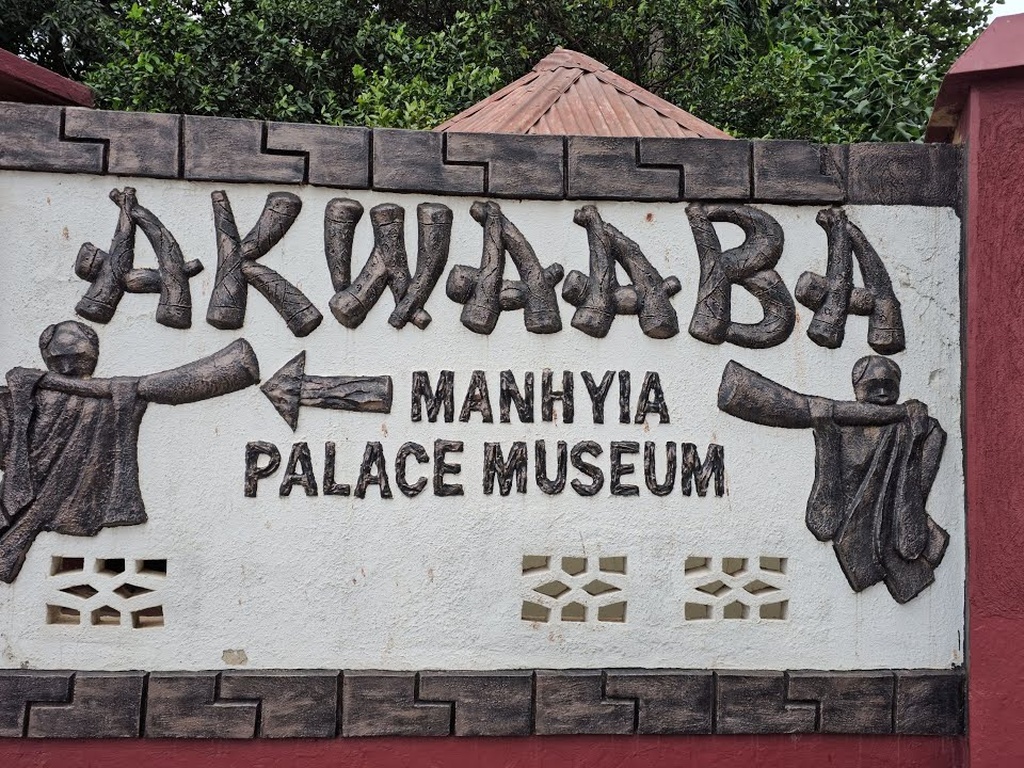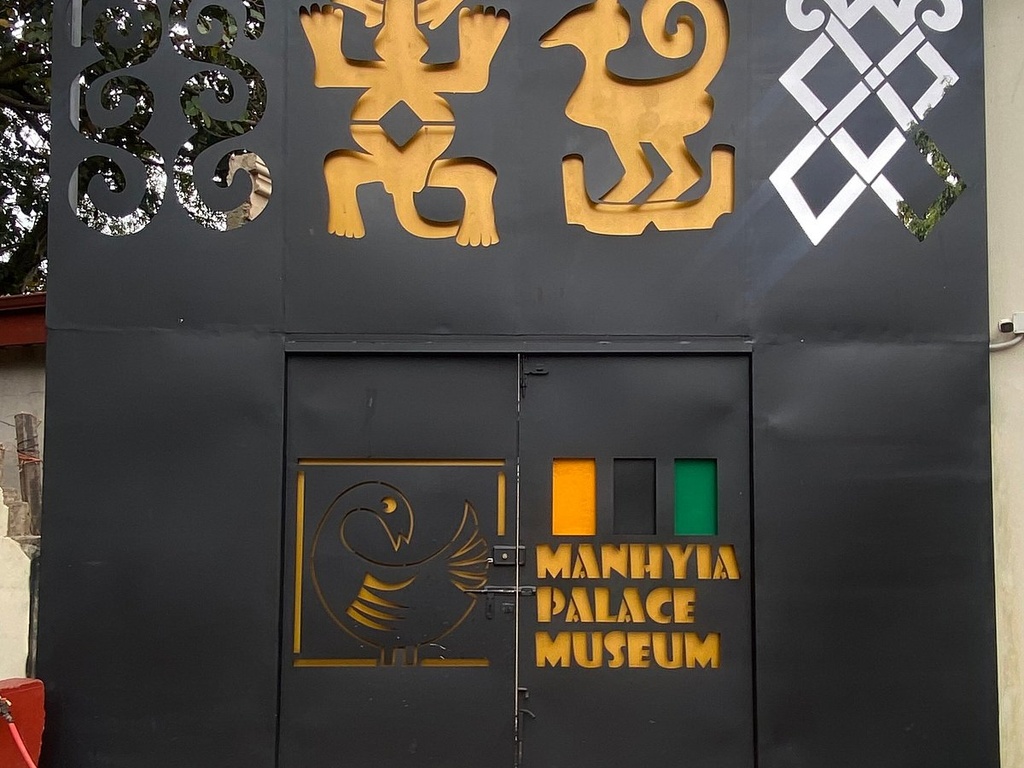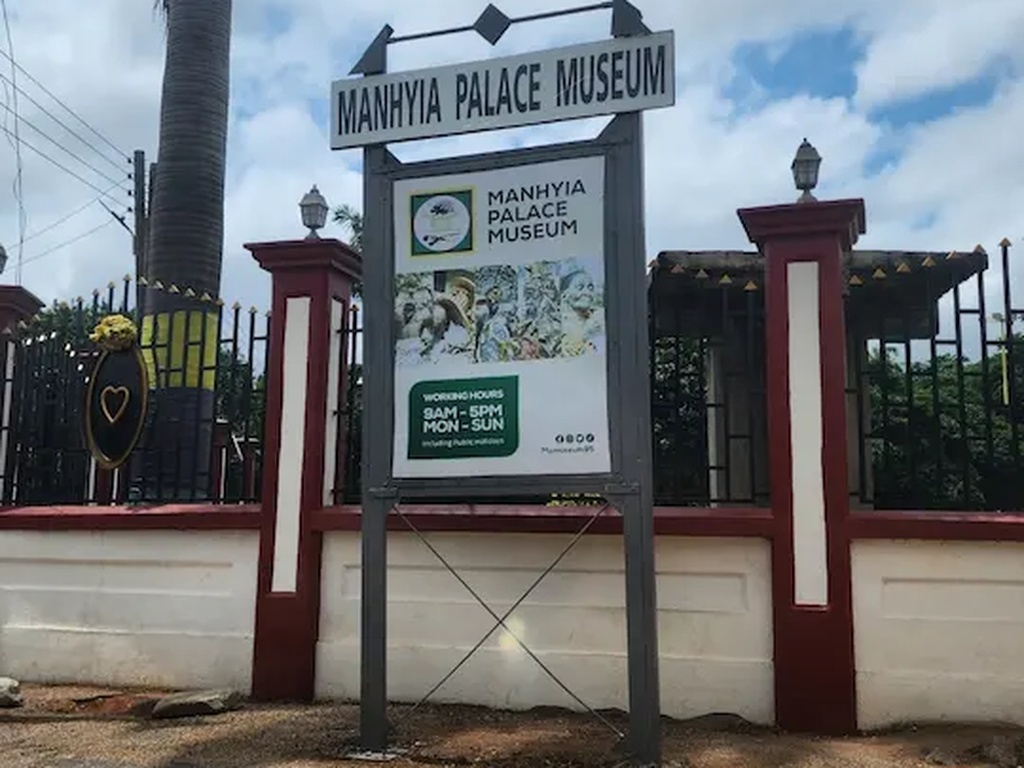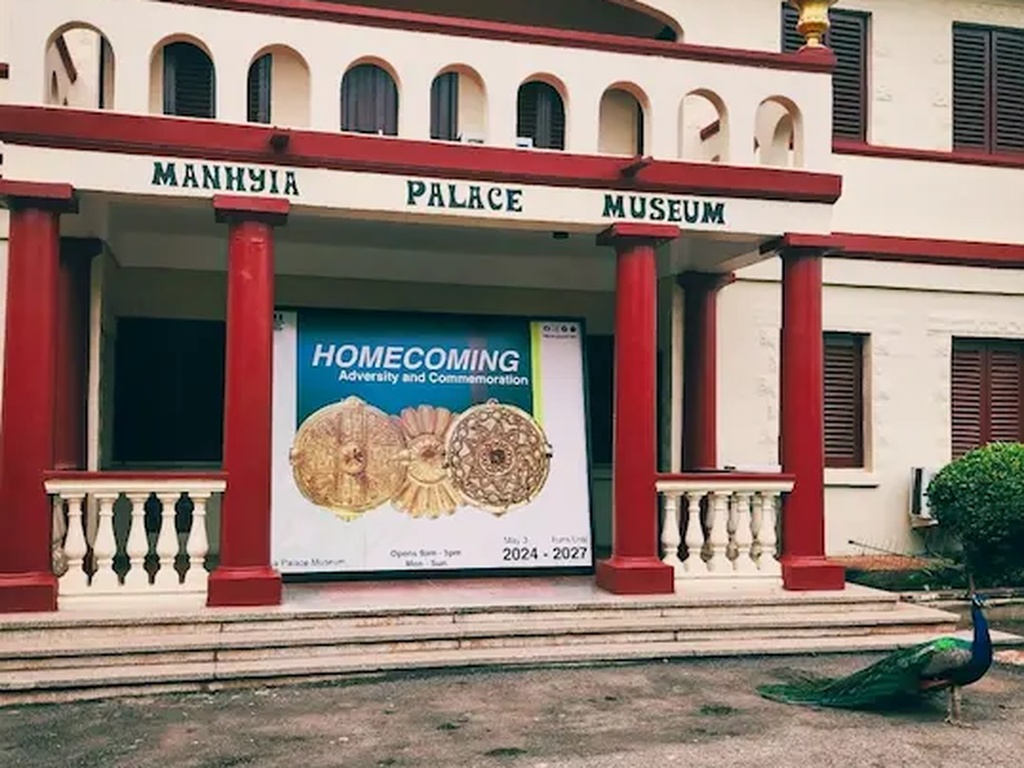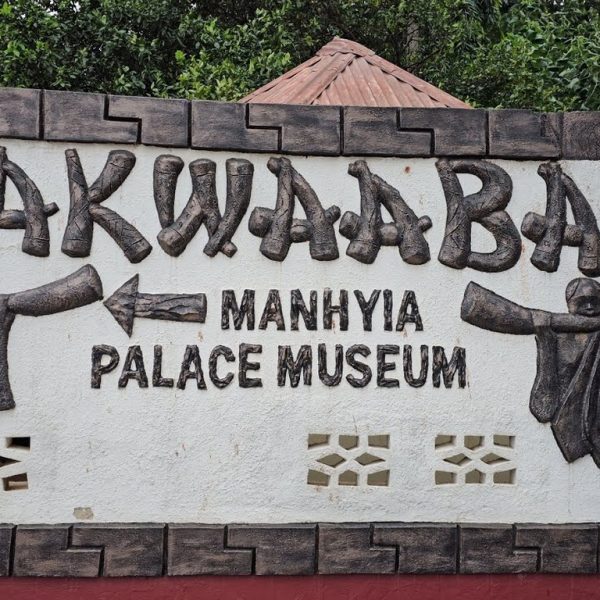
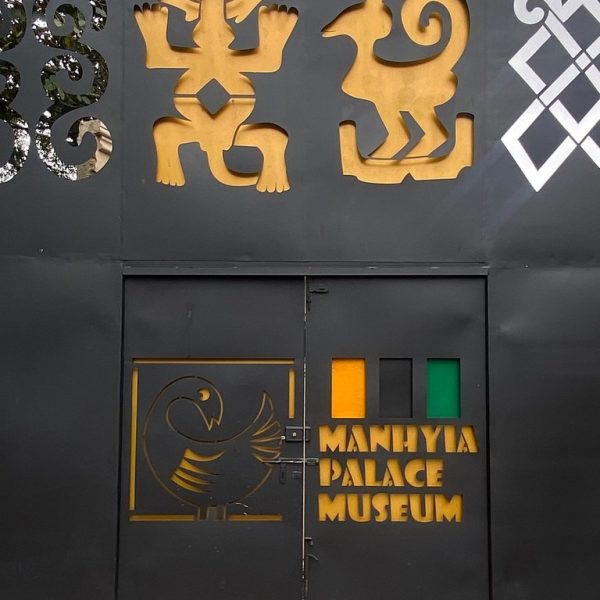
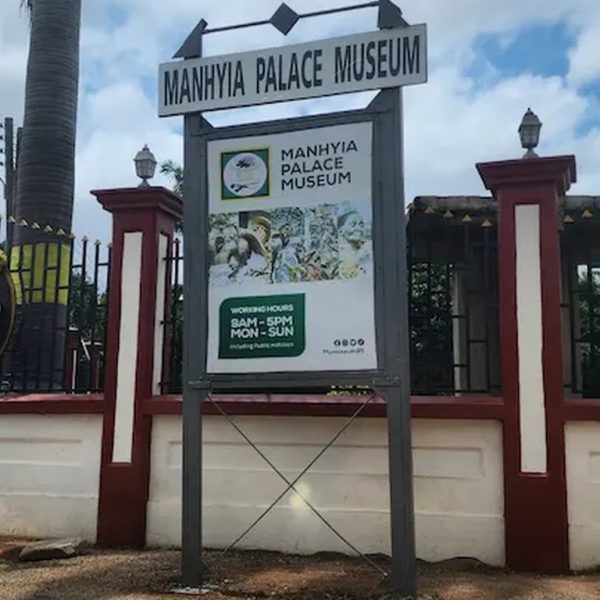
Manhyia Palace is the official residence of the **Asantehene (King of the Ashanti people)** and one of the most important cultural and political symbols in Ghana.
It represents the heart of the powerful Ashanti Kingdom, one of West Africa’s most influential pre-colonial states.
## 🏛️ Origins and Early History
* The original palace was built in **1902** by the British colonial government.
* It was constructed after the exile of Asantehene **Prempeh I**, who was sent to Seychelles after resisting British rule.
* The British later returned the palace to the Ashanti royal family when Prempeh I was allowed to come back in 1924.
This makes Manhyia both:
* A symbol of colonial resistance
* A restored seat of Ashanti authority
## 👑 Role of the Asantehene
The palace is the official home of the **Asantehene**, the traditional ruler of the Ashanti people.
The Asantehene:
* Serves as cultural and spiritual leader
* Presides over Ashanti traditional governance
* Maintains Ashanti customs, laws, and festivals
* Acts as a unifying figure for Ashanti people worldwide
## 🏺 Museum and Cultural Heritage
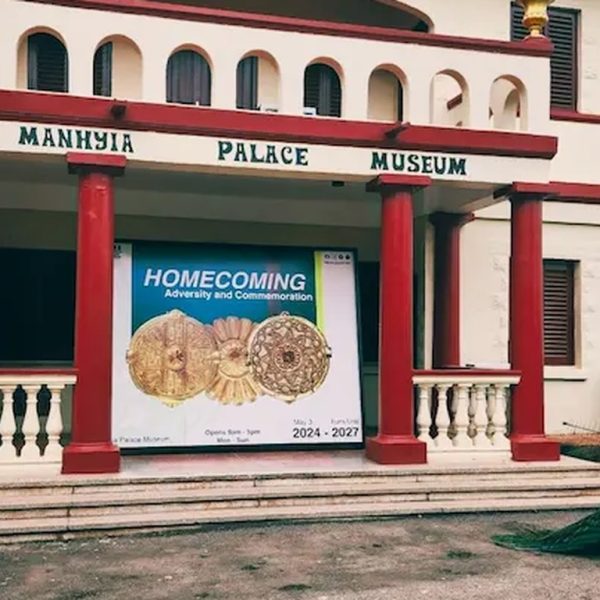
Today, Manhyia Palace also functions as a museum featuring:
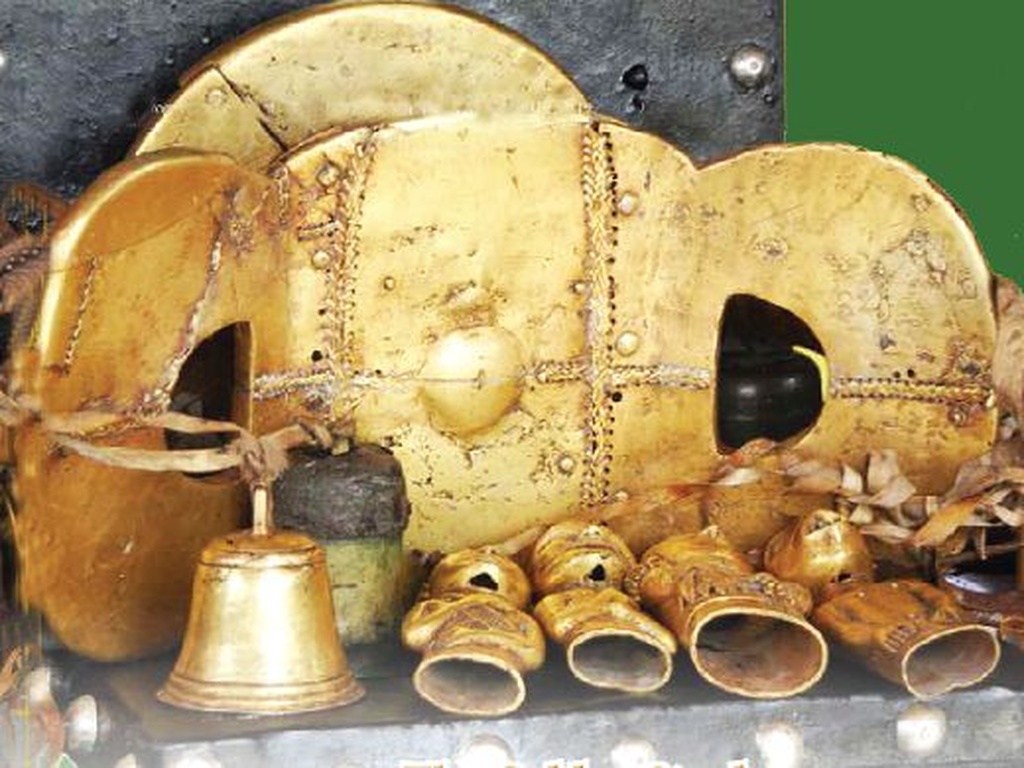
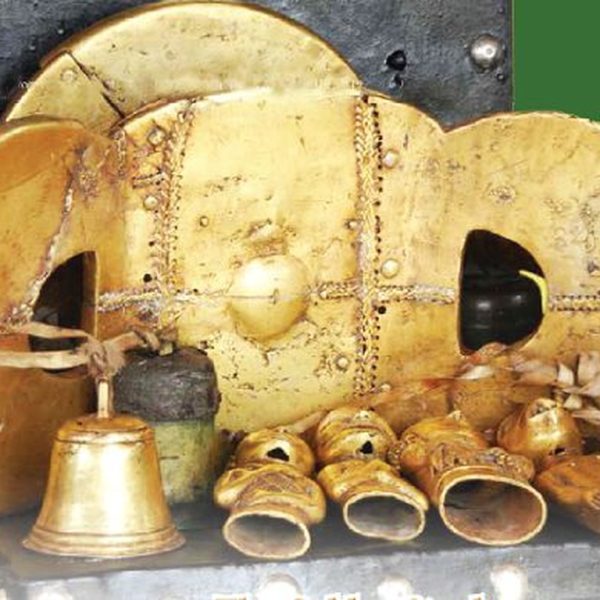
* Royal regalia (golden stools, swords, ceremonial clothing)
* Historical photographs of Ashanti kings
* Artifacts from Ashanti-British wars
* Personal belongings of past Asantehenes
It helps preserve the legacy of Ashanti civilization and resistance history.
## ⚔️ Historical Significance
Manhyia Palace reflects:
* The strength of the Ashanti Empire before colonial rule
* The famous Ashanti-British wars (19th century)
* The resilience of Ashanti culture despite colonial disruption
## 🎉 Modern Importance
Today, the palace is:
* A living royal court (not just a museum)
* A center for major festivals like **Akwasidae**
* A major tourist attraction in Kumasi
* A symbol of Ashanti pride and identity