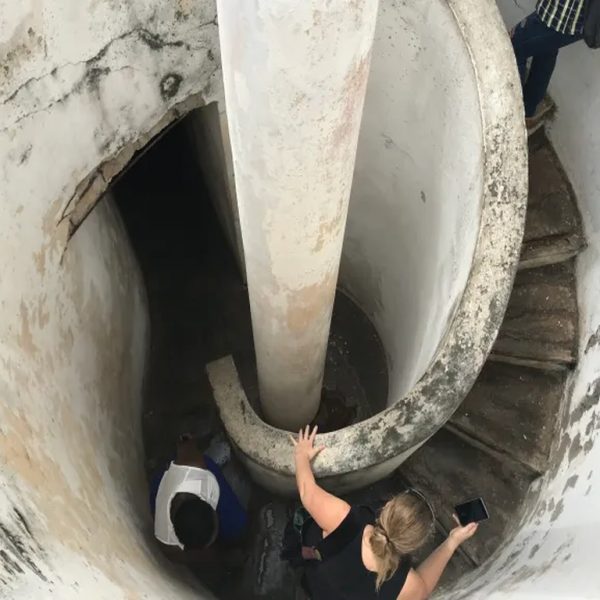

Osu Castle
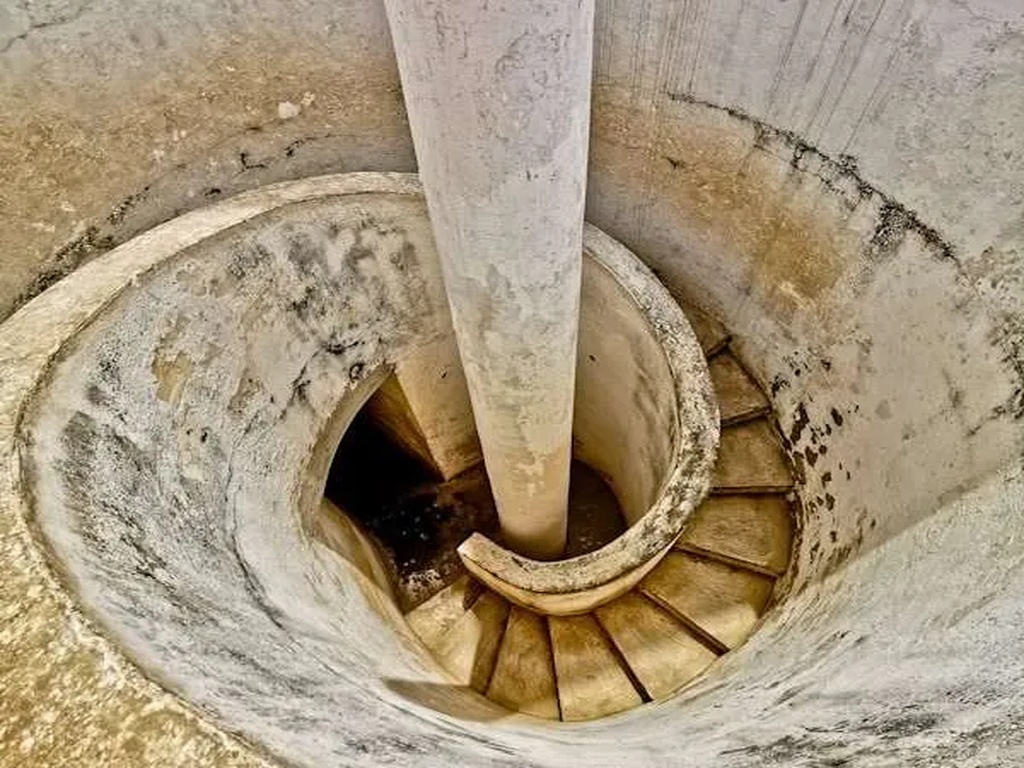
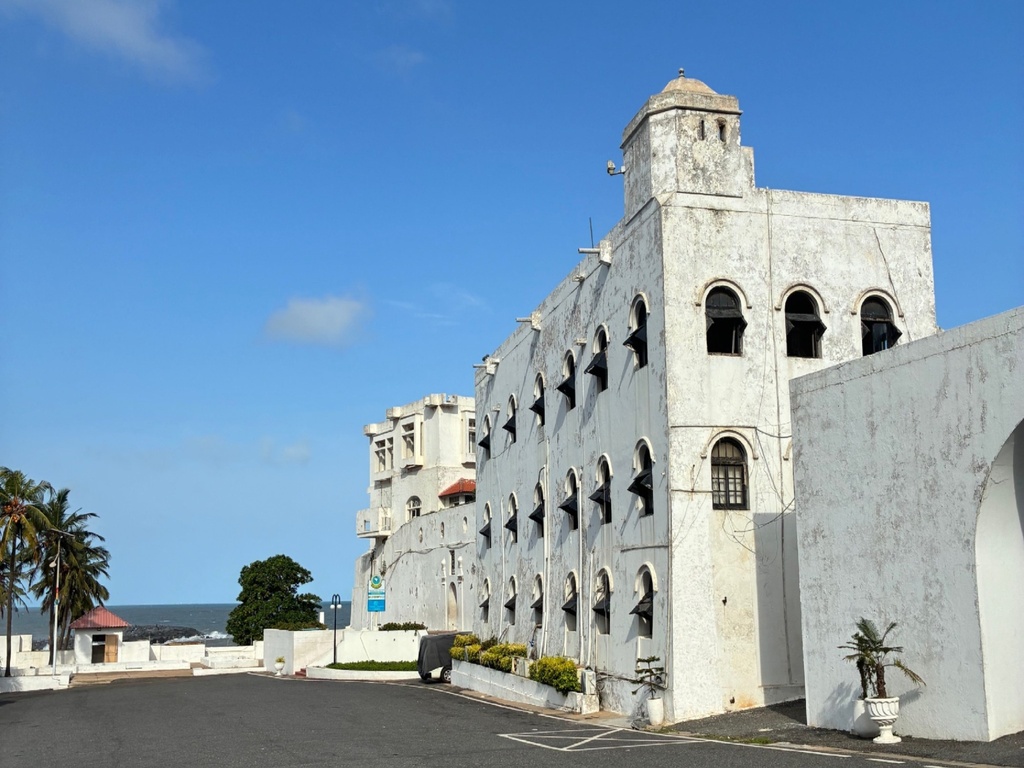
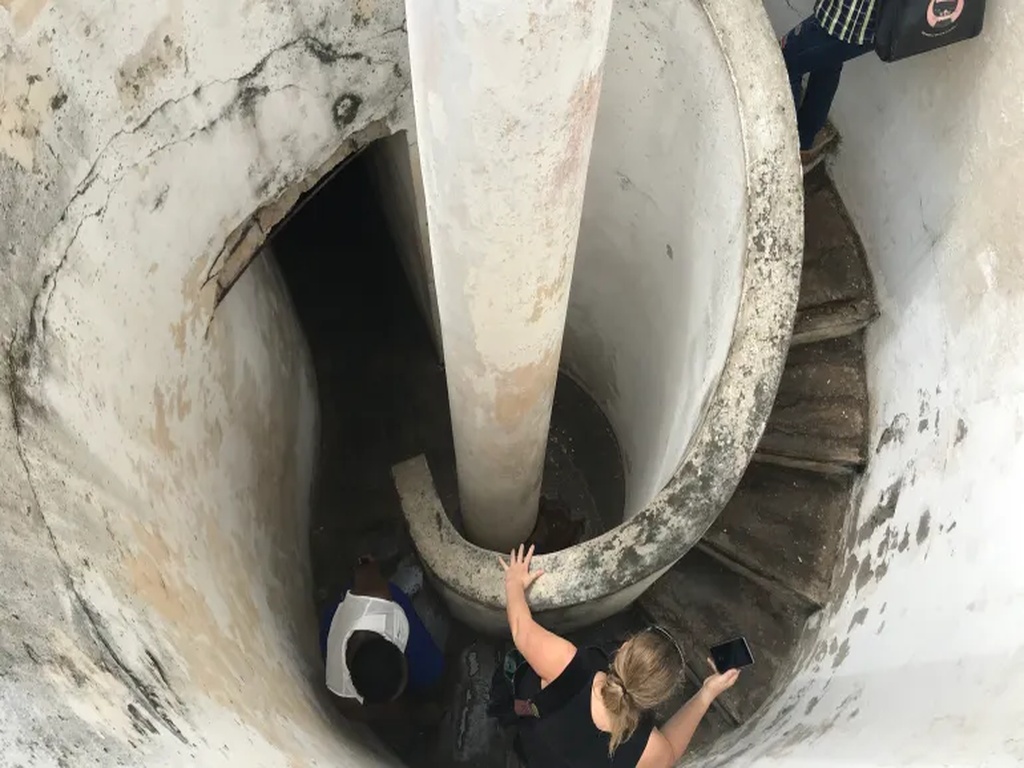
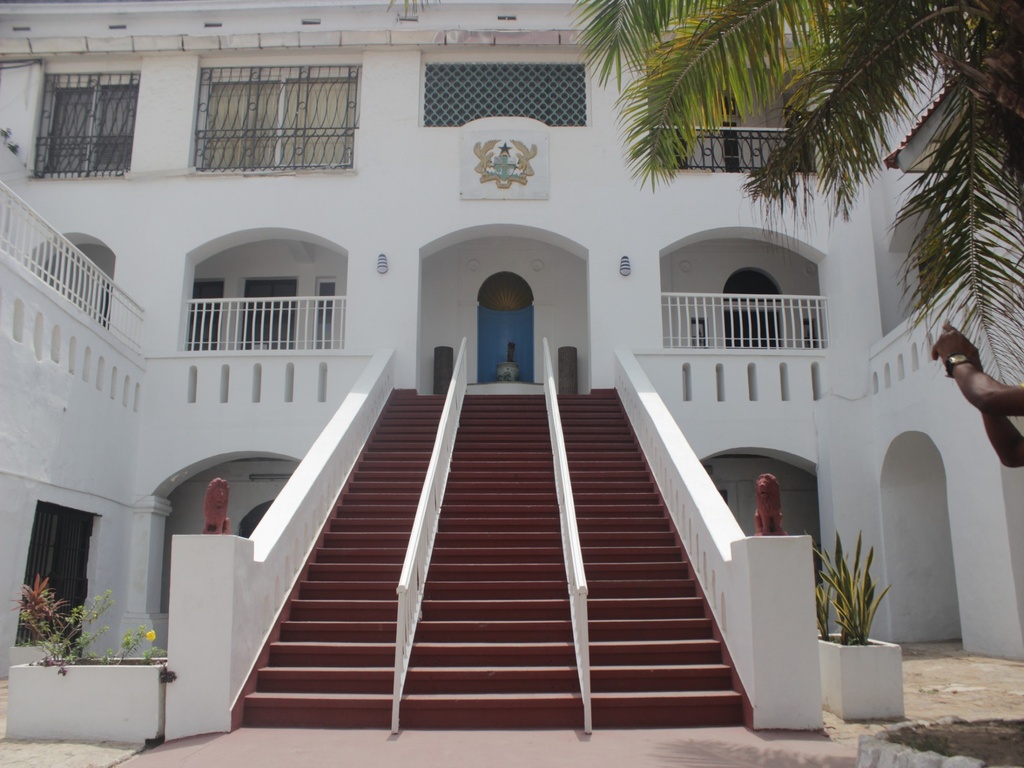
**Osu Castle**, also known as **Christiansborg Castle**, is one of Ghana’s most important historical landmarks. It is located in Osu, Accra, overlooking the Gulf of Guinea. See Osu Castle.
## Early History
The castle was originally built by the **Danes** around **1661** as a trading fort called Christiansborg. It was constructed on land acquired from local Ga leaders and became the headquarters of the Danish Gold Coast.
Over the centuries, the castle changed hands several times:
* Danish control (1661–1679)
* Portuguese occupation (briefly)
* Akwamu control (1693–1694)
* Danish control again (1694–1850)
* British control (1850–1957)
## Role in the Slave Trade
Like many forts and castles along the Ghanaian coast, Christiansborg Castle became involved in the transatlantic slave trade. Enslaved Africans were held in dungeons before being transported across the Atlantic to the Americas.
Today, the castle serves as a reminder of this painful chapter in history and the resilience of African people.
## Colonial Administration
After Denmark sold its Gold Coast possessions to Britain in 1850, Christiansborg Castle became an important center of British colonial administration. Government officials operated from the castle, making it a key political hub.
## After Ghana’s Independence
When Ghana gained independence in 1957 under Kwame Nkrumah, Osu Castle continued to play a major governmental role.
For many years, it served as:
* The official residence of Ghana’s presidents
* The seat of government
* A location for important state ceremonies and meetings
Presidents from Nkrumah through John Atta Mills used the castle as the center of government.
## Modern Era
In 2013, government offices were officially moved from Osu Castle to the new Jubilee House (Presidential Palace). Since then, efforts have focused on preserving the castle as a national heritage site and tourist attraction.
## Why It Is Important
Osu Castle represents:
* Ghana’s colonial history
* The transatlantic slave trade
* The struggle for independence
* The development of modern Ghanaian government
It is one of the few places in Ghana where visitors can trace the country’s journey from European trade and colonization to independence and nationhood.