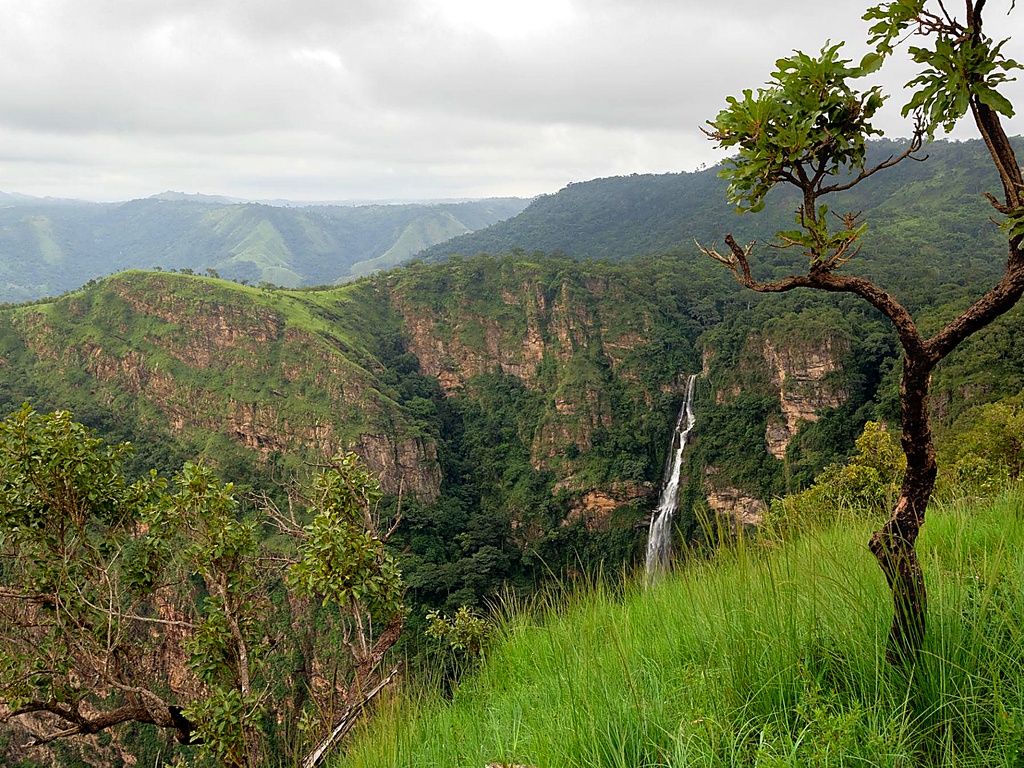
The **Aburi Botanical Gardens** is one of Ghana’s oldest and most important botanical gardens. It is located in the town of Aburi, approximately 30–35 km north of Accra.
## Origins (1875–1890)
Before the gardens were established, the site housed a colonial sanatorium built in **1875** for Gold Coast government officials. The cool climate of the Akuapem Hills made Aburi a preferred retreat from the hotter coastal areas.
The botanical garden was officially opened in **March 1890** by Governor **William Brandford Griffith** and Dr. **John Farrell Easmon**, a Sierra Leonean physician. The first curator was **William Crowther**, who had trained at the famous Royal Botanic Gardens, Kew in England.
## Role in Ghana’s Agriculture
The gardens were originally established as an experimental station for tropical crops and agricultural research. They played a major role in introducing and promoting:
**Cocoa cultivation** in southern Ghana
**Rubber production** after rubber seedlings arrived from Kew Gardens in 1893
*Scientific farming techniques for local farmers
These efforts contributed significantly to the development of Ghana’s agricultural economy.
## Growth and Expansion
The garden expanded throughout the early 1900s and eventually covered about **64.8 hectares (160 acres)**. It became a center for:
* Plant introduction and conservation
* Botanical research
* Horticultural training
* Environmental education
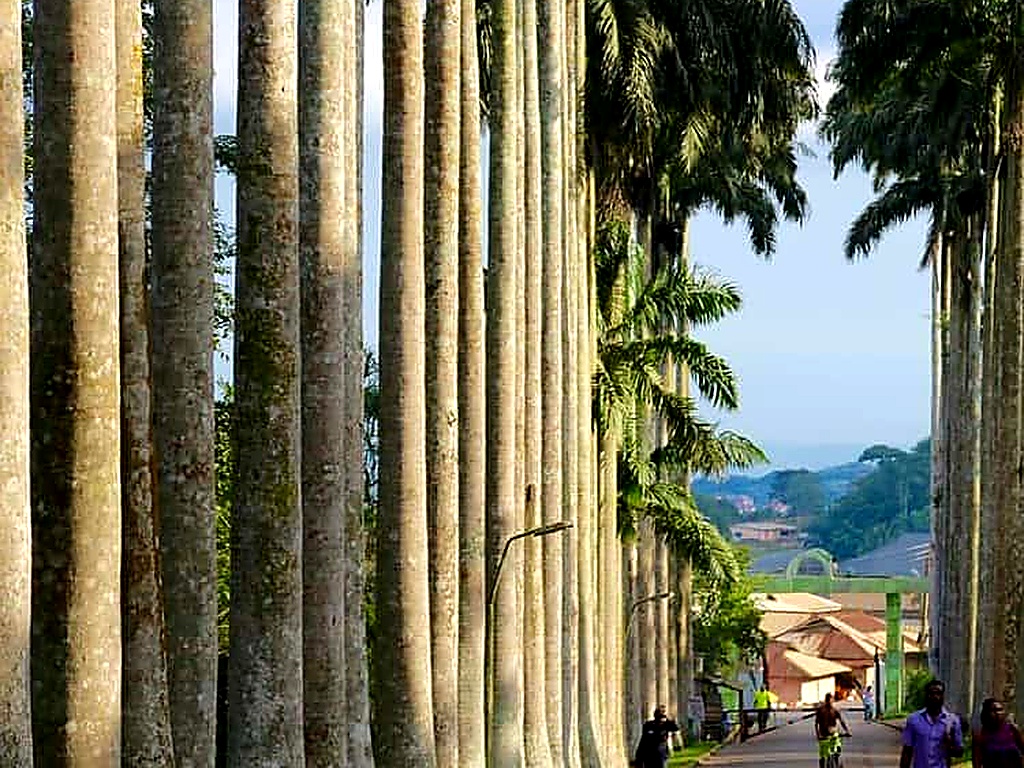
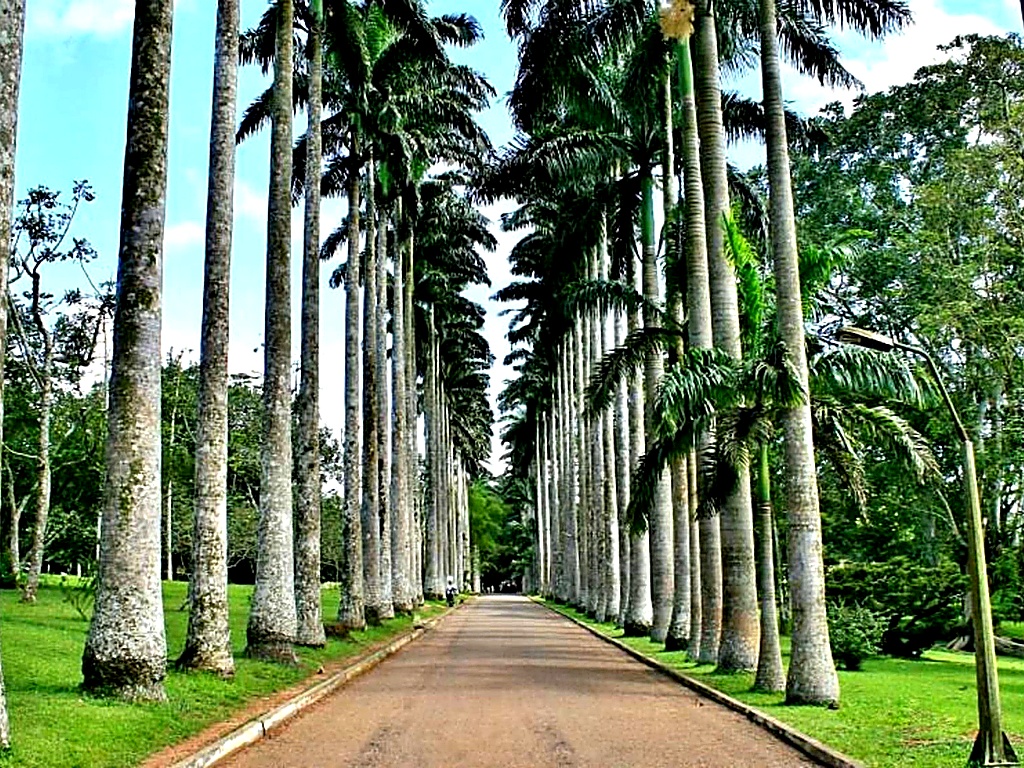
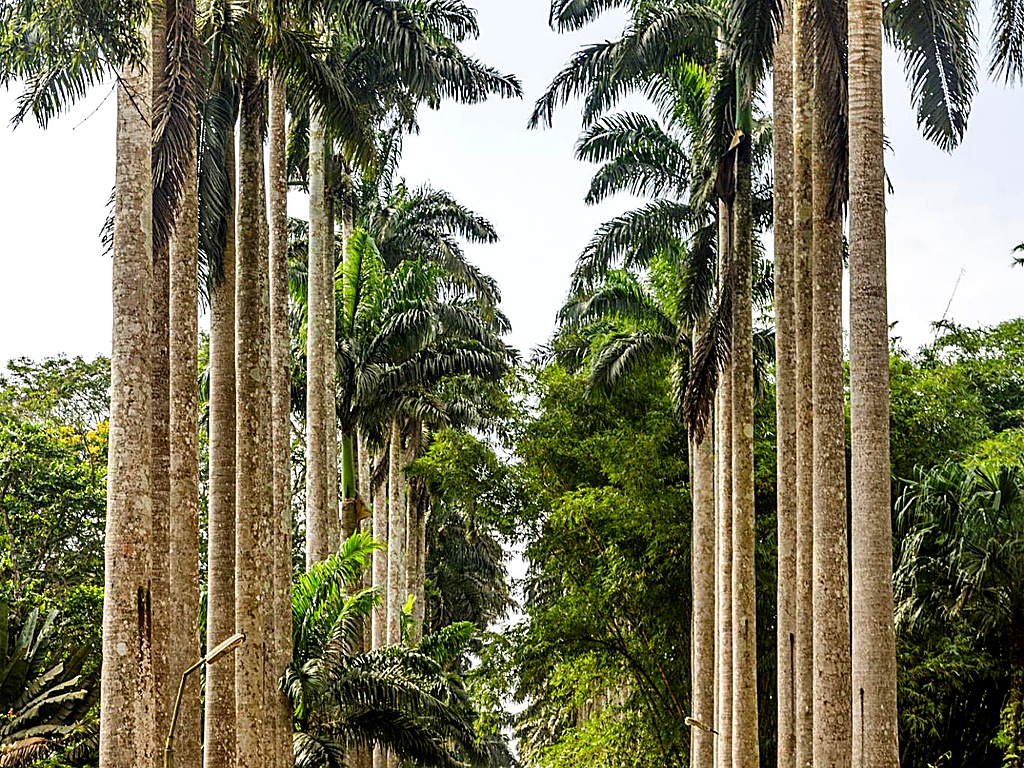
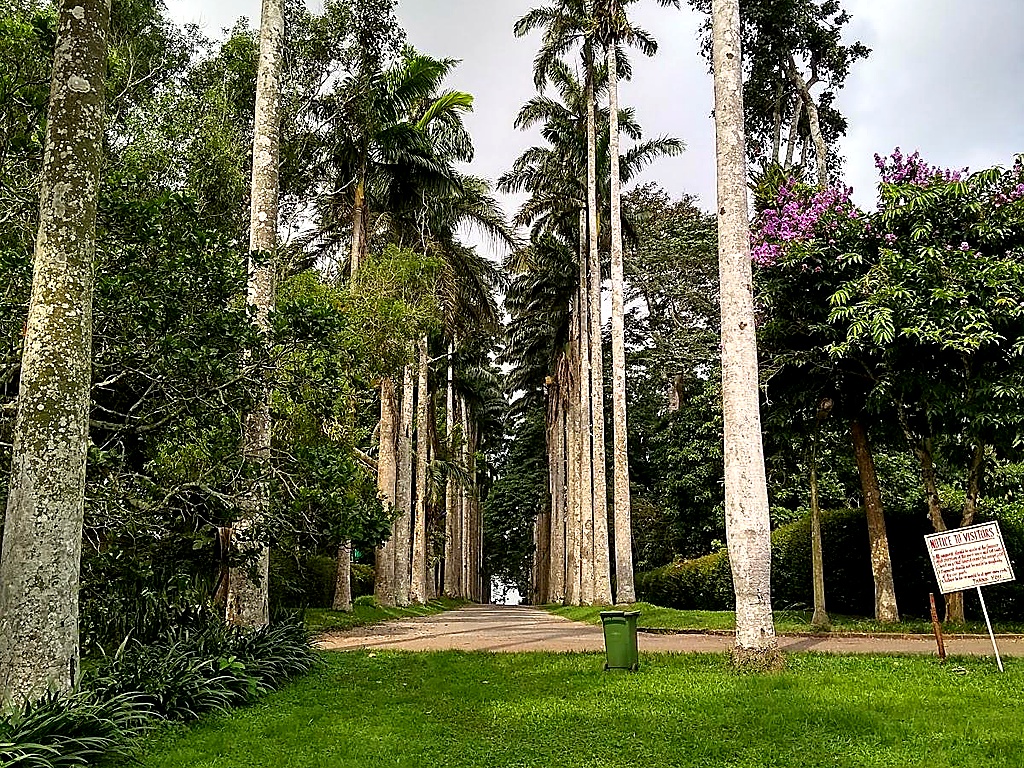
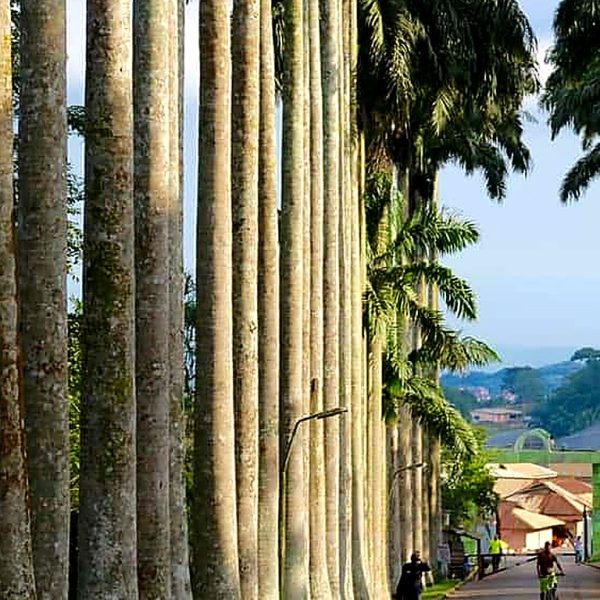
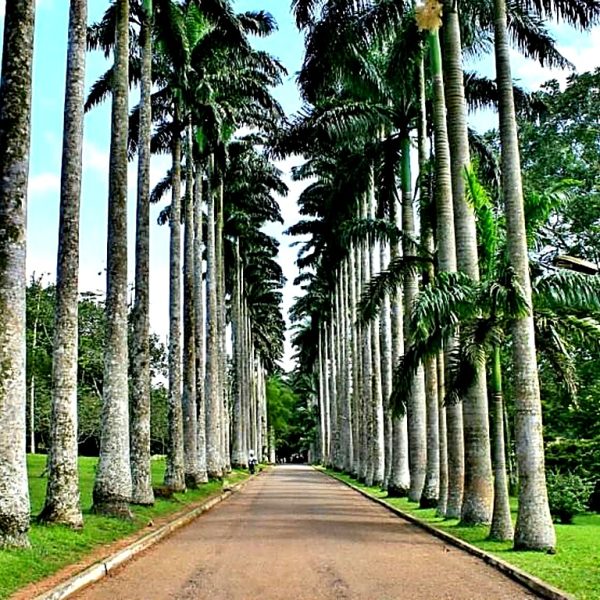
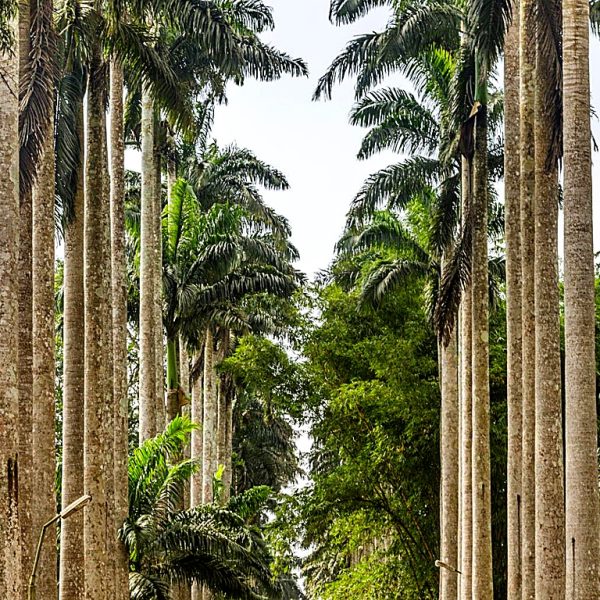
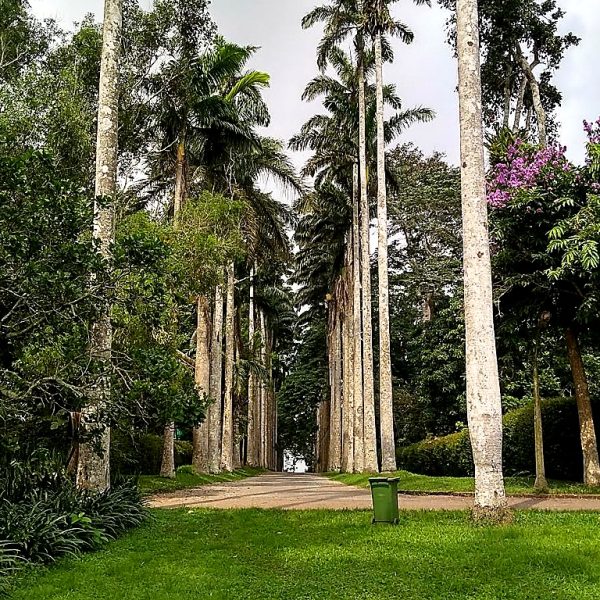
Today, much of the area remains protected forest reserve, while developed sections contain ornamental gardens, palm-lined avenues, and rare tropical plant species.
## Notable Features
Visitors can see:
* The famous **Royal Palm Avenue**
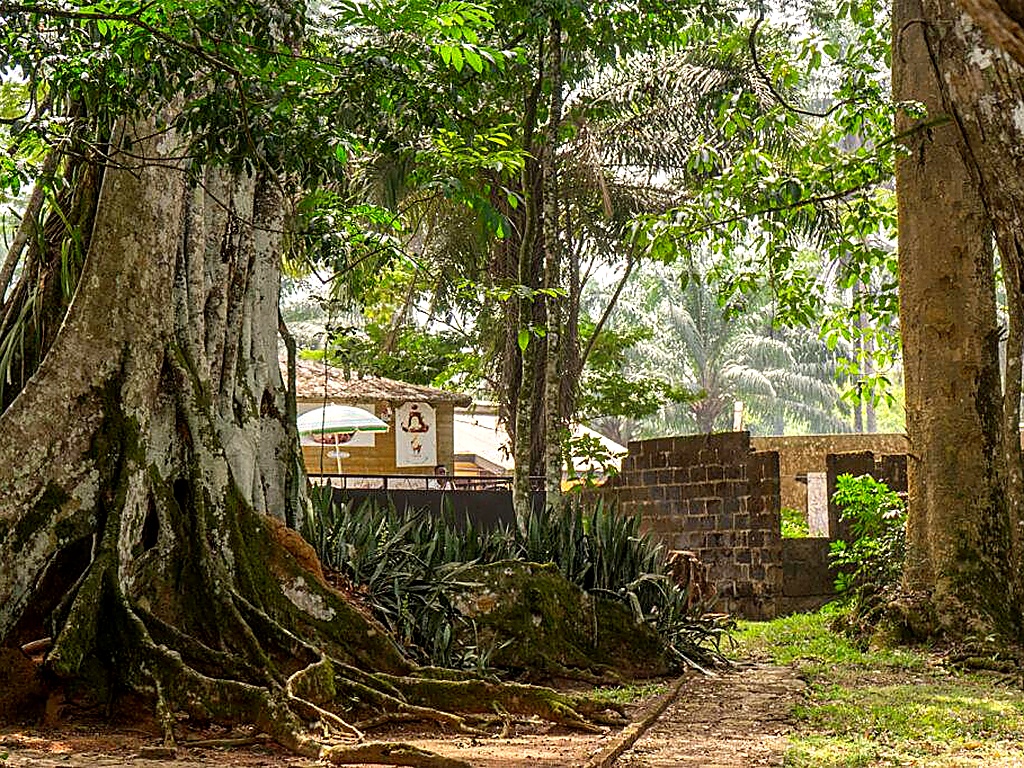
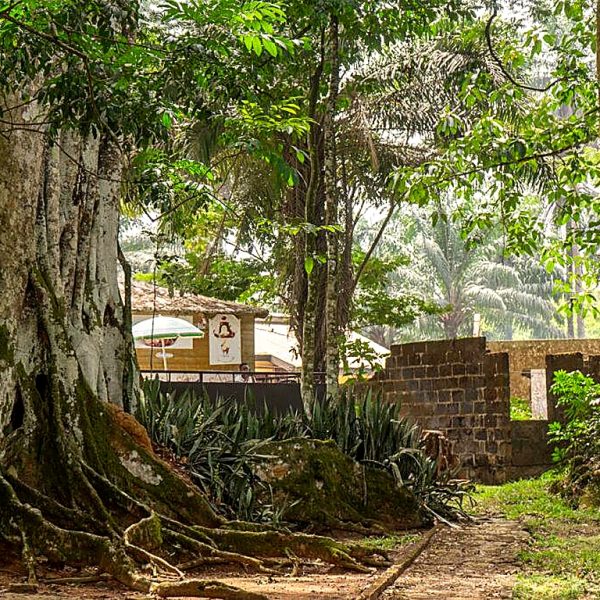
* Giant kapok and ficus trees
* Orchid collections
* A historic helicopter display
* Tree plantings commemorating visits by dignitaries including Queen Elizabeth II and King Charles III when he was Prince of Wales.
## Present Day
Today, the Aburi Botanical Gardens is one of Ghana’s most visited eco-tourism attractions. Besides serving as a conservation and research center, it is a popular destination for picnics, photography, weddings, educational tours, and nature walks. Visitors frequently describe it as one of the most beautiful and peaceful attractions in Ghana.
**Quick Facts**
* Established: **March 1890**
* Size: **64.8 hectares (160 acres)**
* Location: **Aburi, Eastern Region, Ghana**
* Original purpose: Agricultural experimentation and plant introduction
* Current purpose: Conservation, education, tourism, and research.